
Clinical Cases Comparison
AN-ANT-MO-A1098 - Moderate
VS
AN-ANT-NO-A1096 - Normal



Diagnosis
AN-ANT-MO-A1098
This case illustrates moderate-stage hemophilic arthropathy in an elderly patient who grew up with limited access to coagulation factor therapy, leading to progressive joint damage over decades. The patient shows significant structural joint changes with moderate functional impairment, yet retains some mobility and independence. The coexistence of hemophilia-related arthropathy and age-related osteoarthritis results in a complex clinical picture, with both erosive changes and osteophyte formation.
Management is challenging because of multiple comorbidities, requiring avoidance of NSAIDs due to renal disease and bleeding risk. Treatment includes factor VIII prophylaxis (2000 IU three times weekly), scheduled acetaminophen, topical lidocaine, and low-dose tramadol for breakthrough pain. Physical therapy aims to preserve range of motion and strength through gentle exercises and aquatic therapy, and a custom ankle-foot orthosis is used to improve stability and reduce pain during ambulation.
Surgical options are limited by age and comorbidities, though ankle arthrodesis may be considered if pain becomes refractory. Quality of life is a central focus, supported by a multidisciplinary approach, home safety modifications, and ongoing education on fall prevention.
AN-ANT-NO-A1096
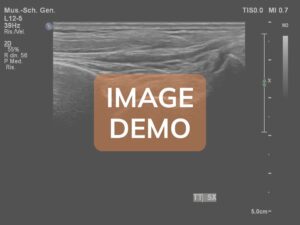
This case serves as a normal control reference for the ultrasound database, documenting typical anterior ankle anatomy in a healthy 58-year-old male. All measured parameters fall within established normal ranges for age and sex. The complete absence of synovial proliferation, cartilage irregularities, bony changes, or inflammatory signs provides baseline comparison for pathological cases. This subject represents an ideal control given the preservation of joint health despite age and regular impact activities (running), demonstrating the ankle joint's resilience in the absence of underlying pathology or trauma. The case emphasizes the importance of establishing age-appropriate normal reference values, as subtle changes related to physiological aging (minimal cartilage thinning, slight joint space variation) must be distinguished from pathological alterations. This normal reference is particularly valuable for comparative studies in hemophilic arthropathy, where ultrasound assessment aims to detect early subclinical joint changes before clinical manifestations appear. The documentation serves educational purposes for trainees learning to identify normal ultrasound anatomy before recognizing pathological deviations.
VS
Anatomical Zone
VS