
Clinical Cases Comparison
AN-ANT-MO-A1098 - Moderate
VS
AN-ANT-MI-A1097 - Mild



Diagnosis
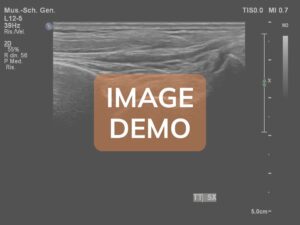
AN-ANT-MO-A1098
This case illustrates moderate-stage hemophilic arthropathy in an elderly patient who grew up with limited access to coagulation factor therapy, leading to progressive joint damage over decades. The patient shows significant structural joint changes with moderate functional impairment, yet retains some mobility and independence. The coexistence of hemophilia-related arthropathy and age-related osteoarthritis results in a complex clinical picture, with both erosive changes and osteophyte formation.
Management is challenging because of multiple comorbidities, requiring avoidance of NSAIDs due to renal disease and bleeding risk. Treatment includes factor VIII prophylaxis (2000 IU three times weekly), scheduled acetaminophen, topical lidocaine, and low-dose tramadol for breakthrough pain. Physical therapy aims to preserve range of motion and strength through gentle exercises and aquatic therapy, and a custom ankle-foot orthosis is used to improve stability and reduce pain during ambulation.
Surgical options are limited by age and comorbidities, though ankle arthrodesis may be considered if pain becomes refractory. Quality of life is a central focus, supported by a multidisciplinary approach, home safety modifications, and ongoing education on fall prevention.
AN-ANT-MI-A1097
This case represents early-stage hemophilic arthropathy of the ankle with mild alterations detected on ultrasound that are subclinical or minimally symptomatic. The score indicates minimal structural damage with excellent potential for stabilization or reversal with optimal hemostatic management. The patient's late start of prophylaxis (age 45) likely contributed to development of these early changes, highlighting the importance of early prophylaxis initiation to prevent joint damage. However, the relatively mild presentation despite decades without prophylaxis may reflect his moderate rather than severe hemophilia phenotype. Current management includes continuation of prophylaxis with consideration of increasing frequency to three times weekly if breakthrough bleeding occurs. Physical therapy has been prescribed focusing on ankle proprioception, dorsiflexion range of motion exercises, and gastrocnemius-soleus stretching to address the mild restriction. Patient education emphasizes activity modification to avoid high-impact activities and twisting motions that could provoke hemorrhage. Close monitoring with repeat ultrasound in 6-8 months is recommended to assess for progression versus stabilization of the synovial and cartilage changes. The prognosis is good with appropriate prophylaxis adherence and joint protection strategies. This case demonstrates the value of ultrasound in detecting early subclinical joint changes before significant functional impairment develops, allowing for intervention at a stage where disease modification may still be possible.
VS
Anatomical Zone
VS